
Our Impact
Expanding access to affordable, culturally responsive mental health care in Mecklenburg County
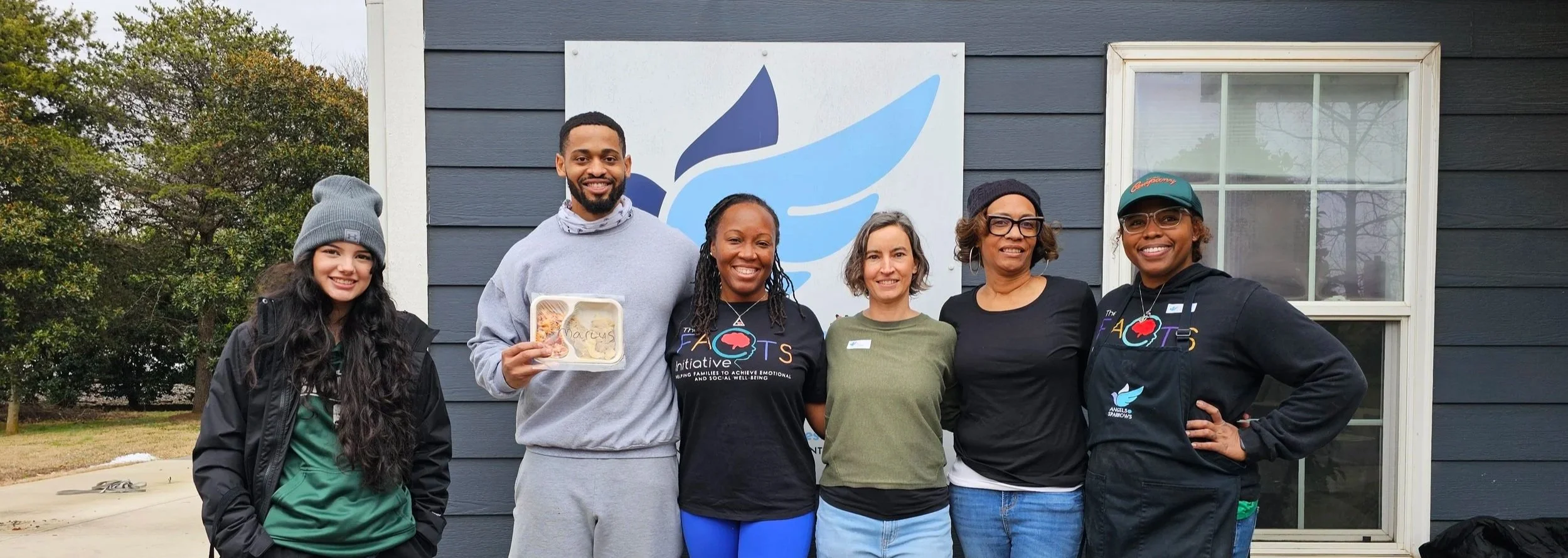
Members of our team volunteering with one of our community partners “Angels & Sparrows”
The FACTS Initiative delivers trauma‑focused mental health services directly inside trusted community spaces, turning long waitlists into immediate access and transforming crisis into stability.
Families across Charlotte face trauma, instability, and barriers to care. Our model works because it removes every major barrier to care: no waitlist, no cost, and no extra steps. Families start sooner, stay engaged longer, and experience meaningful healing that strengthens home, school, and community life.
CORE IMPACT METRICS
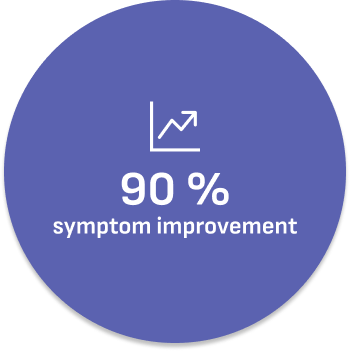
MEANINgful IMPROVEMENT
FACTS delivers trauma‑focused, evidence‑based therapy that produces real, measurable change. 90% of clients show reliable symptom improvement, far exceeding community averages.

FAST ACCESS TO CARE
Families in crisis don’t have weeks or months to wait for mental health support. By embedding clinicians directly inside shelters, advocacy centers, and community programs, FACTS reduces the time between referral and first session to just 3–5 days.
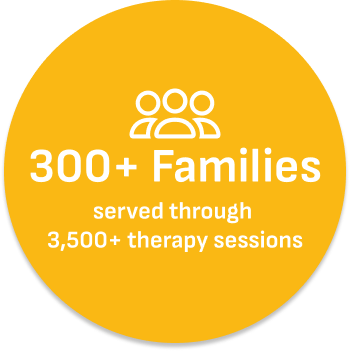
deep reach and engagement
Since 2018, FACTS has served 300+ families and delivered 3,500+ therapy sessions, demonstrating both scale and staying power. More than 75% of clients complete at least three sessions, a critical threshold for meaningful therapeutic benefit.
Why It Matters
Untreated trauma pushes families into costly crisis cycles—emergency rooms, shelters, school suspensions, and job loss. FACTS interrupts that cycle by delivering care where families already feel safe and supported. Healing becomes accessible, consistent, and sustainable.
“Families who’ve used [FACTS] onsite therapy are setting clearer goals and staying more engaged. We’re seeing gains in housing, employment, and overall mental well-being. ”
Local Need and Context
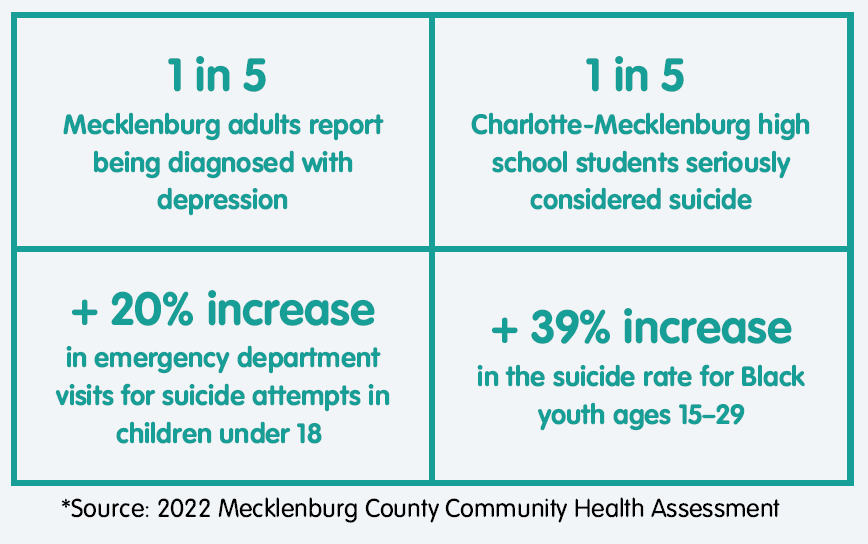
Mecklenburg county statistics continue to highlight an urgent need for accessible and culturally responsive mental health care. Across Charlotte and surrounding areas, too many children and families are living with the unseen wounds of trauma, neglect, abuse, violence, housing instability, and systemic inequities. These experiences take a profound toll on mental and emotional health and they rarely stay “in one lane.” When trauma goes unaddressed, it often shows up as school absences and behavior challenges, strained family relationships, difficulty keeping a job, chronic stress and sleep problems, and disengagement from community supports.
our response
Our vision is a Charlotte where every child and family has access to the care they need to heal from trauma and build healthy, connected lives regardless of income, identity, or circumstance. The key elements of our model include:
Trauma‑focused, evidence‑based therapy (TF‑CBT, EMDR, Internal Family Systems) for youth ages 4–24 and their caregivers; parenting support through Triple P Parenting Program.
Collaborative, community-based services embedded in schools, shelters, and child advocacy organizations to eliminate barriers and expand access.
Family‑centered practice addresses root causes and builds multi‑generational resilience.
Culturally responsive care with licensed clinicians and a clinical internship pipeline designed to reflect the communities we serve.
Here is what our model looks like in practice: A mother fleeing domestic violence recently arrived at one of our partner sites with three children, all showing signs of severe trauma. Within days, they were connected to our clinician on site, with no waitlist, no cost, and no extra steps. That moment changed their stability, safety, and future.
“Since beginning therapy, my children have become noticeably more social and have made significant progress in overcoming the fears stemming from the trauma they experienced.”